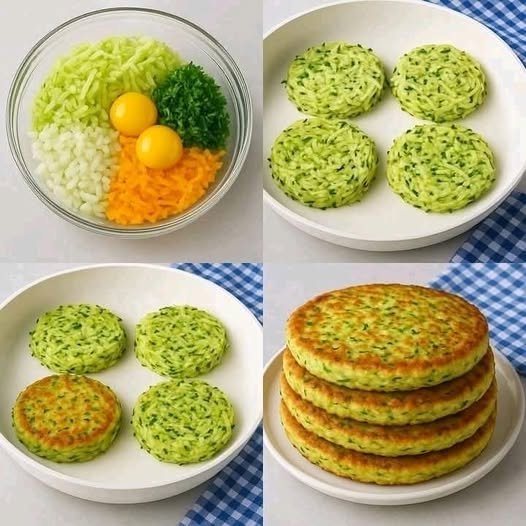
Healthy Vegetable Pancakes are a delicious, filling, and easy way to add more vegetables to your everyday meals. They are naturally colorful, lightly crisp on the outside, soft on the inside, and packed with fiber and nutrients. Unlike traditional pancakes that are often made with refined flour, sugar, and plenty of butter, these savory vegetable pancakes use wholesome ingredients and very little oil.
This recipe is ideal for breakfast, lunch, a light dinner, or even a nutritious snack. You can also customize the vegetables according to what you have available in your kitchen. Carrots, cabbage, spinach, zucchini, bell peppers, onions, and spring onions all work wonderfully.
Why You’ll Love These Vegetable Pancakes
These low-calorie vegetable pancakes are a great option if you want a meal that is satisfying without being excessively heavy. The vegetables provide volume, fiber, vitamins, minerals, and natural flavor, while the flour and egg help hold everything together.
They are also:
- Low in calories: A small amount of oil is enough to cook them.
- Rich in vegetables: An easy way to increase your daily vegetable intake.
- High in fiber: Especially when made with whole-wheat flour or oats.
- Easy to customize: Use whatever vegetables you already have.
- Budget-friendly: The recipe uses simple, everyday ingredients.
- Meal-prep friendly: Cooked pancakes can be refrigerated and reheated.
- Family-friendly: Their crispy edges and savory flavor make vegetables more appealing.
Ingredients
For approximately 8 medium vegetable pancakes, you will need:
- 1 medium carrot, grated
- 1 cup finely shredded cabbage
- ½ medium zucchini, grated
- ½ small onion, finely chopped
- ½ bell pepper, finely chopped
- ½ cup fresh spinach, finely chopped
- ½ cup whole-wheat flour
- ¼ cup oat flour or finely ground oats
- 1 large egg
- ½ cup water, added gradually
- 1 small green chili, finely chopped, optional
- 1 tablespoon fresh coriander or cilantro, chopped
- ½ teaspoon cumin powder
- ½ teaspoon black pepper
- ½ teaspoon paprika or red chili powder
- ¼ teaspoon turmeric powder
- ½ teaspoon salt, or to taste
- 1 teaspoon lemon juice
- 1–2 teaspoons cooking oil for the entire batch, preferably olive, canola, or another neutral oil
Optional Additions
You can make these pancakes even more nutritious or flavorful by adding:
- 2 tablespoons low-fat yogurt
- 1 tablespoon chia seeds or ground flaxseed
- 2 tablespoons finely chopped spring onions
- ¼ teaspoon garlic powder
- A small amount of grated low-fat cheese
- Fresh mint or parsley
- A pinch of dried oregano
- A little grated ginger
If you want a higher-protein version, you can add an extra egg or replace some of the flour with chickpea flour.
Choosing the Best Vegetables
The beauty of this recipe is that there is no strict vegetable combination you have to follow. The most important thing is to finely chop or grate the vegetables so that they cook quickly and blend into the pancake batter.
Carrots add natural sweetness, color, and a pleasant crunch.
Cabbage provides bulk and fiber while becoming tender during cooking.
Zucchini adds moisture and a soft texture. However, zucchini contains a lot of water, so it should be squeezed well before adding it to the batter.
Spinach adds color and nutrients without significantly changing the flavor.
Bell peppers provide sweetness and a fresh, slightly crunchy texture.
Onions add savory flavor and help make the pancakes taste more satisfying.
You can also use grated broccoli stems, finely chopped mushrooms, corn, peas, or leftover cooked vegetables.
Preparation
Step 1: Prepare the Vegetables
Wash all the vegetables thoroughly. Peel the carrot and grate it using the medium or large holes of a grater.
Finely shred the cabbage. Chop the onion, bell pepper, spinach, green chili, and coriander into small pieces.
Grate the zucchini separately. Place it in a clean kitchen towel or between your hands and gently squeeze out as much excess water as possible.
This step is particularly important. If you leave too much water in the zucchini, the batter may become thin and the pancakes may fall apart during cooking.
Step 2: Make the Batter
In a large mixing bowl, combine the whole-wheat flour and oat flour.
Add cumin powder, black pepper, paprika, turmeric, and salt. Mix the dry ingredients thoroughly.
Add the prepared carrot, cabbage, zucchini, onion, bell pepper, spinach, green chili, and coriander.
Mix everything together.
Add the egg and lemon juice. Begin adding the water gradually while stirring continuously.
You do not necessarily need to use the entire ½ cup of water. The exact amount depends on how much moisture is naturally present in your vegetables.
The final batter should be thick enough to scoop with a spoon but soft enough to spread easily in a pan. It should not be watery like a crepe batter.
Allow the mixture to rest for approximately 5 minutes. The flour and oats will absorb some of the moisture, making the mixture easier to handle.
Cooking the Pancakes
Place a nonstick skillet or good-quality frying pan over medium heat.
Lightly brush the surface with a small amount of oil. You don’t need to use a lot. A teaspoon of oil can be enough for several pancakes when using a good nonstick pan.
Take approximately ¼ cup of the vegetable batter and place it in the center of the pan.
Using the back of a spoon, gently spread it into a round pancake approximately ½ centimeter thick.
Avoid making the pancake too thick because the vegetables may remain undercooked in the center.
Cook for approximately 2–3 minutes, or until the bottom becomes golden brown and the edges begin to look firm.
Carefully flip the pancake using a wide spatula.
Cook the second side for another 2–3 minutes until golden brown and fully cooked.
Transfer the finished pancake to a plate.
Repeat with the remaining batter.
If the pan becomes dry, add only a few drops of oil before cooking the next pancake.
How to Keep the Pancakes Low-Calorie
The main source of additional calories in savory pancakes is often the cooking oil rather than the vegetables themselves.
To keep this recipe light:
- Use a quality nonstick pan.
- Brush the pan with oil rather than pouring oil directly into it.
- Avoid deep-frying the pancakes.
- Use low-fat yogurt-based dips instead of mayonnaise-based sauces.
- Choose whole-wheat flour or oats instead of refined flour.
- Load the batter with vegetables to increase volume without adding many calories.
- Avoid large amounts of cheese.
The goal is not to eliminate all fats. A small amount of healthy cooking oil can improve flavor and help with the absorption of certain fat-soluble nutrients.
Healthy Serving Suggestions
These vegetable pancakes are delicious on their own, but a healthy dipping sauce can make them even better.
Yogurt Herb Dip
Mix:
- ½ cup plain low-fat yogurt
- 1 tablespoon chopped coriander
- 1 tablespoon chopped mint
- A squeeze of lemon juice
- A pinch of black pepper
- A small pinch of salt
Mix everything together and serve chilled.
Spicy Yogurt Dip
For a spicier option, combine plain yogurt with a little paprika, roasted cumin, lemon juiceFinely chop tomatoes, onions, coriander, and green chili. Add lemon juice and a small pinch of salt. This, chopped green chili, and coriander.
Fresh Tomato Salsa
Finely chop tomatoes, onions, coriander, and green chili. Add lemon juice and a small pinch of salt. This creates a fresh, low-calorie accompaniment.
You can also serve the pancakes with sliced cucumber, tomatoes, lettuce, or a simple green salad.
Estimated Nutrition
The exact nutritional values depend on the size of the pancakes and the specific ingredients used. As a general estimate, one medium pancake may contain approximately 70–100 calories when the recipe is prepared with minimal oil.
A serving of two to three pancakes can therefore make a satisfying light meal, especially when paired with yogurt or a vegetable salad.
The pancakes provide carbohydrates from the flour and vegetables, protein from the egg and flour, and fiber from the vegetables, whole grains, and oats.
For more protein, serve them with Greek yogurt, cottage cheese, or another protein-rich side.
Tips for Perfect Vegetable Pancakes
1. Don’t Make the Batter Too Watery
This is one of the most common problems. Vegetables release water as they sit, especially zucchini and cabbage.
If your mixture becomes watery, add another tablespoon of whole-wheat flour or oat flour and mix again.
2. Squeeze Moist Vegetables
Always squeeze grated zucchini before adding it to the bowl. You can also lightly squeeze shredded cabbage if itLarge chunks can cause the pancakes to break apart. Finely chopped vegetables distribute more is unusually wet.
3. Cut Vegetables Finely
Large chunks can cause the pancakes to break apart. Finely chopped vegetables distribute more evenly through the batter.
4. Use Medium Heat
Cooking over extremely high heat can burn the outside while leaving the vegetables and batter undercooked inside.
Medium heat allows the pancake to develop a golden crust while cooking through properly.
5. Don’t Flip Too Early
Wait until the bottom has formed a firm golden crust. If you try to flip the pancake while it is still soft, it may break.
6. Don’t Overcrowd the Pan
Cook one or two pancakes at a time depending on the size of your pan. Giving them enough space makes flipping easier and helps them cook evenly.
7. Adjust the Batter as You Go
Vegetables vary in moisture content. If the batter becomes thinner while sitting, add a little more flour. If it becomes too thick, add a tablespoon of water.
Variations
Chickpea Flour Vegetable Pancakes
Replace the whole-wheat flour with chickpea flour for a naturally gluten-free variation, provided your other ingredients are also gluten-free.
Chickpea flour gives the pancakes a slightly nutty flavor and adds plant-based protein.
Spinach and Carrot Pancakes
For a simple combination, use plenty of grated carrot and finely chopped spinach along with onion and spices.
These pancakes have a beautiful orange-green color and work especially well with a yogurt dip.
Spicy Indian-Style Pancakes
Add cumin seeds, coriander, green chili, ginger, turmeric, and red chili powder. You can also add finely chopped fresh coriander for extra flavor.
Mediterranean-Style Pancakes
Use zucchini, spinach, bell pepper, onion, oregano, black pepper, and a little garlic. Serve with yogurt and cucumber.
Cheesy Vegetable Pancakes
Add a small amount of grated low-fat cheese to the batter. Because cheese increases the calorie content, keep the quantity modest if your goal is a low-calorie meal.
Storage and Reheating
These pancakes are best served immediately because they are crispest when fresh.
However, leftovers can be stored in an airtight container in the refrigerator for approximately 2–3 days.
To reheat them, place the pancakes in a dry nonstick pan over medium-low heat for a few minutes on each side. An air fryer or toaster oven can also help restore their crisp texture.
Avoid microwaving them for too long because they can become soft.
You can also prepare the vegetables in advance. Keep chopped vegetables refrigerated and make the batter shortly before cooking.
Frequently Asked Questions
Can I make these pancakes without eggs?
Yes. Replace the egg with a suitable egg substitute. You can also make a simple flaxseed mixture by combining ground flaxseed with water and allowing it to thicken before adding it to the batter.
Can I use only whole-wheat flour?
Absolutely. You can replace the oat flour with additional whole-wheat flour. The texture may be slightly different but the pancakes will still work well.
Can I make them gluten-free?
Yes. Use certified gluten-free oat flour or chickpea flour instead of wheat flour.
Why are my pancakes falling apart?
The batter may contain too much moisture or not enough binding ingredient. Squeeze watery vegetables thoroughly and add a little more flour if necessary. Also, make sure the first side is properly cooked before flipping.
Can I freeze vegetable pancakes?
Yes. Allow cooked pancakes to cool completely, separate them with parchment paper, and store them in a freezer-safe container. Reheat them in a skillet, oven, or air fryer.
Final Thoughts
Healthy Vegetable Pancakes are an excellent example of how nutritious food doesn’t have to be complicated or boring. With a handful of vegetables, whole-grain flour, an egg, simple spices, and a small amount of oil, you can create a flavorful meal that is filling, colorful, and relatively low in calories.
The recipe is highly adaptable, so don’t worry if you don’t have every vegetable listed. Use the vegetables available in your refrigerator and adjust the seasoning to your preference. For the best texture, remember the three key rules: remove excess moisture, keep the batter thick, and cook over medium heat.
Serve the pancakes with a refreshing yogurt dip and a fresh salad for a balanced, satisfying meal. Whether you’re looking for a lighter breakfast, a quick lunch, or an easy way to encourage your family to eat more vegetables, these pancakes are a simple and delicious choice.

