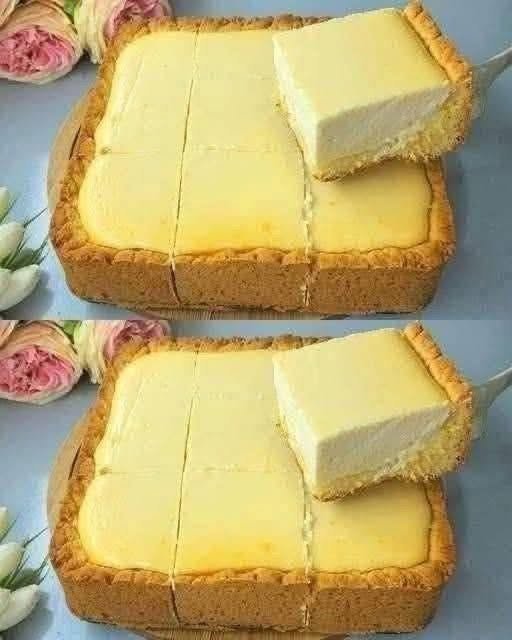
This sourdough Italian cheesecake is a wonderfully creamy, lightly tangy dessert that combines the richness of traditional Italian cheesecake with the subtle depth of sourdough discard. Instead of the very dense texture associated with classic New York cheesecake, this version is softer, lighter, and more rustic. Ricotta provides a delicate, slightly grainy Italian character, while mascarpone makes the filling exceptionally smooth and luxurious. Lemon zest and juice brighten the flavor, making the cheesecake feel rich without being overwhelmingly sweet.
This recipe is an excellent way to use sourdough discard that would otherwise be thrown away. The discard doesn’t need to be recently fed; unfed discard works beautifully and contributes a gentle fermented flavor.
Ingredients
For the cheesecake
- 250 g sourdough discard, 100% hydration
- 500 g whole-milk ricotta
- 250 g mascarpone
- 150 g granulated sugar
- 3 large eggs, preferably at room temperature
- 1 teaspoon pure vanilla extract
- Finely grated zest of 1 large lemon
- 2 tablespoons fresh lemon juice
- 30 g all-purpose flour
- ¼ teaspoon fine salt
- ½ teaspoon ground cinnamon
Optional additions
- 50 g raisins
- 30 g pine nuts
- 1 tablespoon rum or orange liqueur
- A little extra lemon zest for serving
- Powdered sugar for dusting
Equipment
You will need a 23 cm (9-inch) springform pan, parchment paper, a large mixing bowl, an electric mixer or whisk, a fine-mesh sieve, and a spatula.
Step 1: Prepare the ricotta
The most important preparation step is draining the ricotta. Italian-style cheesecakes benefit from ricotta that isn’t excessively watery.
Place the ricotta in a fine-mesh sieve lined with cheesecloth or a clean kitchen towel. Set it over a bowl and refrigerate for at least 2 hours. For an especially creamy, firm cheesecake, you can drain it overnight.
Don’t skip this step if your ricotta is very wet. Excess moisture can make the finished cheesecake loose or cause it to take much longer to bake.
Step 2: Prepare the pan and oven
Preheat your oven to 170°C (340°F).
Grease a 23 cm (9-inch) springform pan with butter or a little neutral oil. Line the bottom with parchment paper. You can also lightly grease the sides and dust them with a small amount of flour.
There is no need to use a traditional water bath for this recipe. The cheesecake is intended to have a slightly rustic Italian appearance, and the moderate oven temperature helps keep the filling creamy.
Step 3: Make the cheese mixture
Place the drained ricotta and mascarpone in a large mixing bowl.
Beat them together until smooth and creamy. If your ricotta is particularly coarse, pass it through a sieve before mixing. This produces an exceptionally smooth cheesecake.
Add the sugar and continue mixing for about 1–2 minutes.
You don’t need to whip a huge amount of air into the mixture. Over-beating can cause the cheesecake to puff dramatically in the oven and then collapse as it cools.
Step 4: Add the eggs and flavorings
Add the eggs one at a time, mixing gently after each addition.
Once the eggs are incorporated, add the vanilla, lemon zest, and lemon juice.
The lemon is especially important in this recipe. It balances the richness of the ricotta and mascarpone and complements the mild sourness of the sourdough.
If you want a more traditional Italian flavor, you can add a tablespoon of rum or orange liqueur at this stage.
Step 5: Add the sourdough discard
Add the 250 g sourdough discard and mix until evenly incorporated.
Your discard should be a normal 100%-hydration starter, meaning it contains approximately equal weights of flour and water. It can be freshly discarded or several days old, provided it has been stored safely in the refrigerator and doesn’t show signs of spoilage.
The sourdough should not dominate the cheesecake. Instead, it provides a subtle fermented complexity that works particularly well with ricotta and lemon.
Step 6: Add the dry ingredients
In a separate bowl, whisk together the flour, salt, and cinnamon.
Add this mixture to the cheesecake batter and fold gently with a spatula until just combined.
Don’t overmix at this point. Stop as soon as you can no longer see dry flour.
If you’re using raisins, fold them in now. You can soak them in warm water for 10 minutes first, then drain and dry them thoroughly. This makes them softer and juicier.
Step 7: Fill the pan
Pour the batter into your prepared springform pan.
Gently shake the pan from side to side to level the surface. Tap it lightly against the counter once or twice to remove large air bubbles.
If you’re using pine nuts, scatter them evenly over the top.
For an attractive finish, you can also add a little finely grated lemon zest before baking.
Step 8: Bake
Place the cheesecake in the center of the preheated oven.
Bake at 170°C (340°F) for approximately 50–60 minutes.
The exact baking time will depend on your oven, the moisture in your ricotta, and the depth of your pan.
The cheesecake is ready when the edges look set and lightly golden while the center still has a gentle wobble when the pan is moved.
Don’t wait until the center is completely firm. Cheesecake continues cooking from residual heat, and baking it until completely rigid can produce a dry texture.
If the top begins browning too quickly, loosely cover it with aluminum foil for the remainder of the baking time.
Step 9: Cool gradually
When the cheesecake is finished, turn off the oven and leave the door slightly open.
Let the cheesecake sit inside for approximately 20 minutes.
Then remove it from the oven and place it on a cooling rack.
Allow it to cool completely at room temperature before refrigerating.
This gradual cooling helps reduce the risk of a dramatic temperature change causing the cheesecake to crack or sink excessively.
Step 10: Chill
Once completely cool, cover the cheesecake and refrigerate it for at least 4 hours.
For the best texture and flavor, refrigerate it overnight.
The chilling time allows the cheesecake to firm up and gives the sourdough, lemon, ricotta, and mascarpone flavors time to blend together.
Serving
Remove the cheesecake from the refrigerator about 15–20 minutes before serving.
Carefully release the springform pan and transfer the cheesecake to a serving plate.
Dust the top lightly with powdered sugar.
For an elegant Italian-inspired presentation, serve each slice with fresh berries, a spoonful of lightly sweetened whipped cream, or a little berry compote.
A drizzle of honey also works beautifully with the ricotta and lemon flavors.
Important Tips for the Best Result
Use whole-milk ricotta. Low-fat ricotta won’t give you the same creamy, luxurious texture.
Drain the ricotta well. This is one of the biggest factors affecting the final consistency.
Don’t overmix. Mix enough to combine the ingredients, but avoid incorporating excessive air.
Use room-temperature ingredients. Eggs, ricotta, and mascarpone mix more evenly when they aren’t ice cold.
Don’t overbake. A slight wobble in the center is desirable. The cheesecake will become firmer as it cools.
Use sourdough discard, not active bubbly starter. Either can work, but discard gives you a more predictable result and doesn’t add unnecessary fermentation activity.
Let it chill properly. Freshly baked cheesecake will seem softer than expected. Several hours in the refrigerator transforms the texture.
Flavor Variations
For an orange version, replace the lemon zest with finely grated orange zest and add a small splash of orange liqueur.
For a chocolate version, replace 20 g of the flour with 20 g unsweetened cocoa powder and add 75 g melted dark chocolate to the batter.
For a pistachio version, fold 60–80 g finely ground pistachios into the mixture and sprinkle chopped pistachios over the finished cheesecake.
For a classic Italian-inspired fruit version, serve slices with fresh strawberries, raspberries, or figs and a drizzle of honey.
Storage
Keep the finished cheesecake refrigerated in an airtight container or well covered with plastic wrap.
It should keep well for approximately 3–4 days in the refrigerator.
You can also freeze individual slices. Wrap them tightly and freeze for up to about 1 month for the best quality. Thaw overnight in the refrigerator before serving.
The finished cheesecake should be creamy, gently tangy, lemony, and rich without being excessively heavy. The sourdough adds a subtle depth that makes this Italian-inspired dessert particularly distinctive.

